
Peripheral neuropathy care · Cheyenne, Wyoming
Drug-free peripheral neuropathy treatment in Cheyenne, WY
Numbness, tingling, or burning in your feet. Nights you can't sleep. Feeling unsteady on your feet. Our team, led by Dr. Jill Althoff, DC, looks for what is driving your neuropathy and builds a non-surgical plan to help you get back to the things you love.
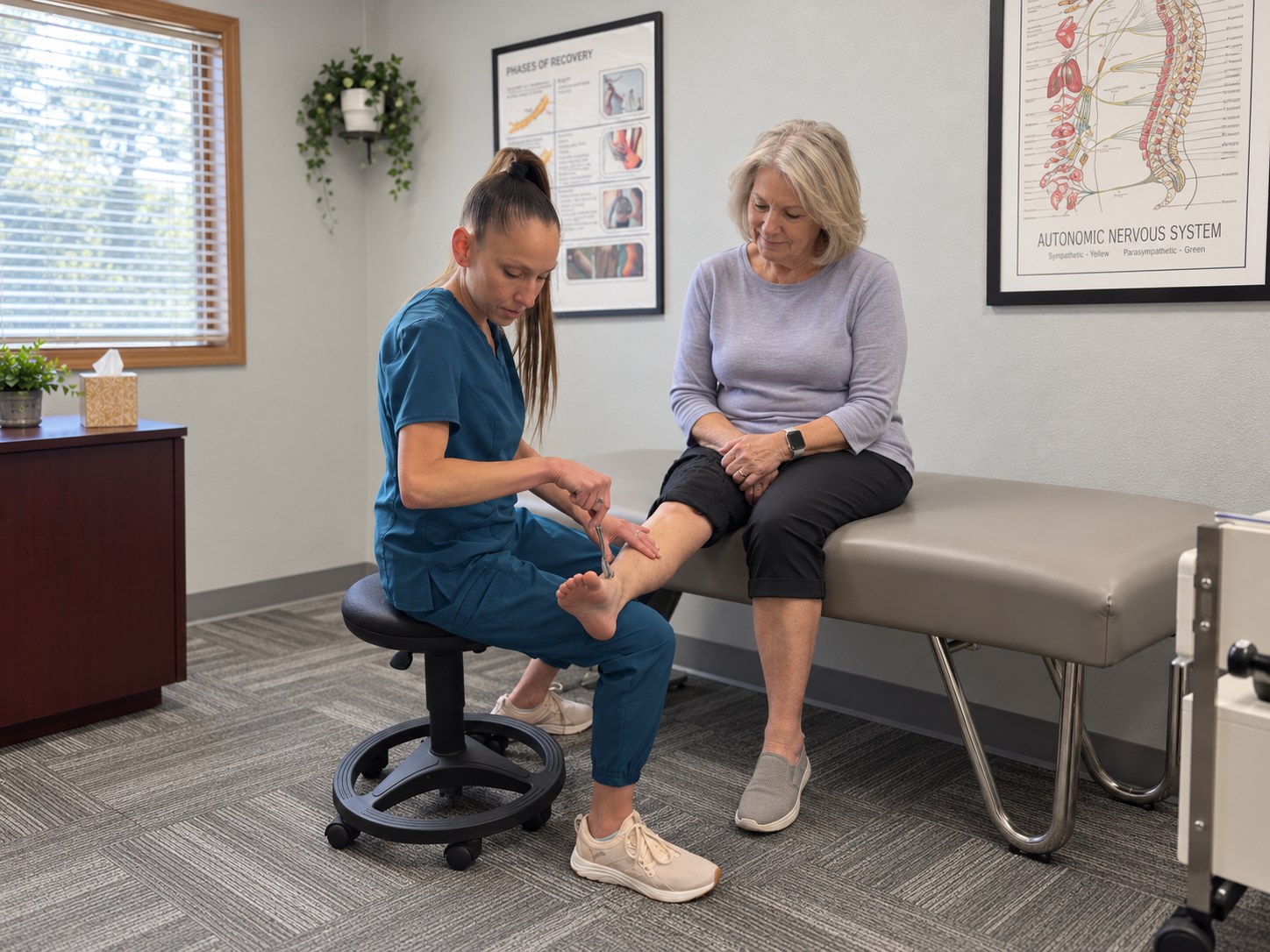
Common neuropathy symptoms
Does this sound familiar?
Neuropathy usually starts in the toes and feet and can move up the legs. Some people feel it in their hands too. If you check more than one of these, it is worth having your nerves evaluated.
When to see your medical doctor first: sudden weakness, numbness that came on quickly, symptoms on one side of the body, or a foot wound, sore, or infection that is not healing. These need prompt medical attention. We work alongside your physician and never ask you to stop a medication on your own.
Understanding neuropathy
What is peripheral neuropathy?
Peripheral neuropathy is damage or dysfunction of the nerves outside the brain and spinal cord. These nerves carry feeling, movement, and balance signals between your body and your brain. When they are not working well, you may feel numbness, tingling, burning pain, or weakness, most often starting in the feet.
Neuropathy is not one disease. It is the result of something else affecting the nerves, which is why finding the cause matters so much.
Medications such as gabapentin or pregabalin (Lyrica) can help quiet nerve pain, and they are the right choice for some people.
Do these medications repair the nerves?
They are designed to quiet pain signals rather than repair the nerves or address what is affecting them.
Our focus is on the factors behind your neuropathy, working alongside the care you already have.
Common causes and contributors
- Diabetes, prediabetes, and blood sugar problems
- Poor circulation
- Chemotherapy and certain other medications
- Low vitamin B12 and other nutrient deficiencies
- Nerve pressure from the low back or neck
- Alcohol use, thyroid, kidney, and autoimmune conditions
- No clear cause found yet ("idiopathic" neuropathy)
Told your neuropathy can't get better?
Nerves can heal when your body has what it needs
Many of our patients have been told their neuropathy will never improve. But peripheral nerves have some ability to recover. What we often find is that the body is missing the conditions nerves need to do that.
In fact, many patients are missing the basics nerves need just to stay alive: healthy blood flow, oxygen, steady blood sugar, and the right nutrients. When those are missing, nerves struggle to survive, let alone repair.
That is why our care focuses on restoring those conditions, so your body has a real chance to heal. Every case is different, and your evaluation helps us tell you honestly what is possible for you.
Had a normal EMG, but still have symptoms?
An EMG mainly measures how well your motor nerves and muscles work. Peripheral neuropathy usually affects the sensory nerves first, the ones that carry feeling, temperature, and pain.
Early neuropathy and small fiber neuropathy often don't show up on standard EMG testing. So a normal result doesn't always mean your nerves are fine.
Our evaluation looks at both your sensory and motor nervous systems.
Types of neuropathy we evaluate
Peripheral, diabetic, small fiber, and more
Neuropathy shows up in different ways. These are the types we see most often at our Cheyenne clinic.
Peripheral neuropathy
The broad term for nerve damage outside the brain and spinal cord. Most often felt as numbness, tingling, or burning that starts in the toes and feet.
Diabetic neuropathy
Nerve damage linked to diabetes or long-term high blood sugar. It is the most common form of peripheral neuropathy and often affects both feet.
Small fiber neuropathy
Affects the smallest nerve fibers, which carry pain and temperature signals. People often feel burning, prickling, or electric pain in the feet, sometimes with normal standard nerve tests. Medical providers may confirm it with a skin biopsy.
Chemotherapy-related and idiopathic neuropathy
Neuropathy that follows cancer treatment, or neuropathy where no clear cause has been found. Both are common, and both deserve a thorough look.
Neuropathy and balance
Feeling unsteady on your feet?
Your body keeps you balanced using three main balance centers. When neuropathy takes your feet out of the equation, the other two have to work overtime, and that is when falls happen.
1
Your feet
The nerves in your feet tell your brain where your body is in space. This is called proprioception, and it is what neuropathy damages.
2
Your eyes
Your eyes help your brain judge where you are. When your feet stop reporting clearly, your eyes start doing more of the work.
3
Your inner ear
Your inner ear senses motion and the position of your head, helping you stay steady when you turn or move.
Signs your balance may be off
- You stand up from a chair and need a minute before you feel steady enough to walk.
- You touch furniture or walls as you walk around the house. Your hands are telling your brain where you are in space, a job your feet should be doing.
- You feel wobbly when you close your eyes to shampoo your hair or rinse your face in the shower.
- You feel unsure walking in a dark house at night, on the way to the bathroom.
Closing your eyes in the shower or walking in the dark takes your eyes away as a balance source. If your feet are not sending clear signals either, your risk of falling goes up quickly.
That is why we test balance at your first visit and re-test as care progresses. Balance training and whole-body vibration are part of many neuropathy plans, along with care aimed at the nerves themselves.
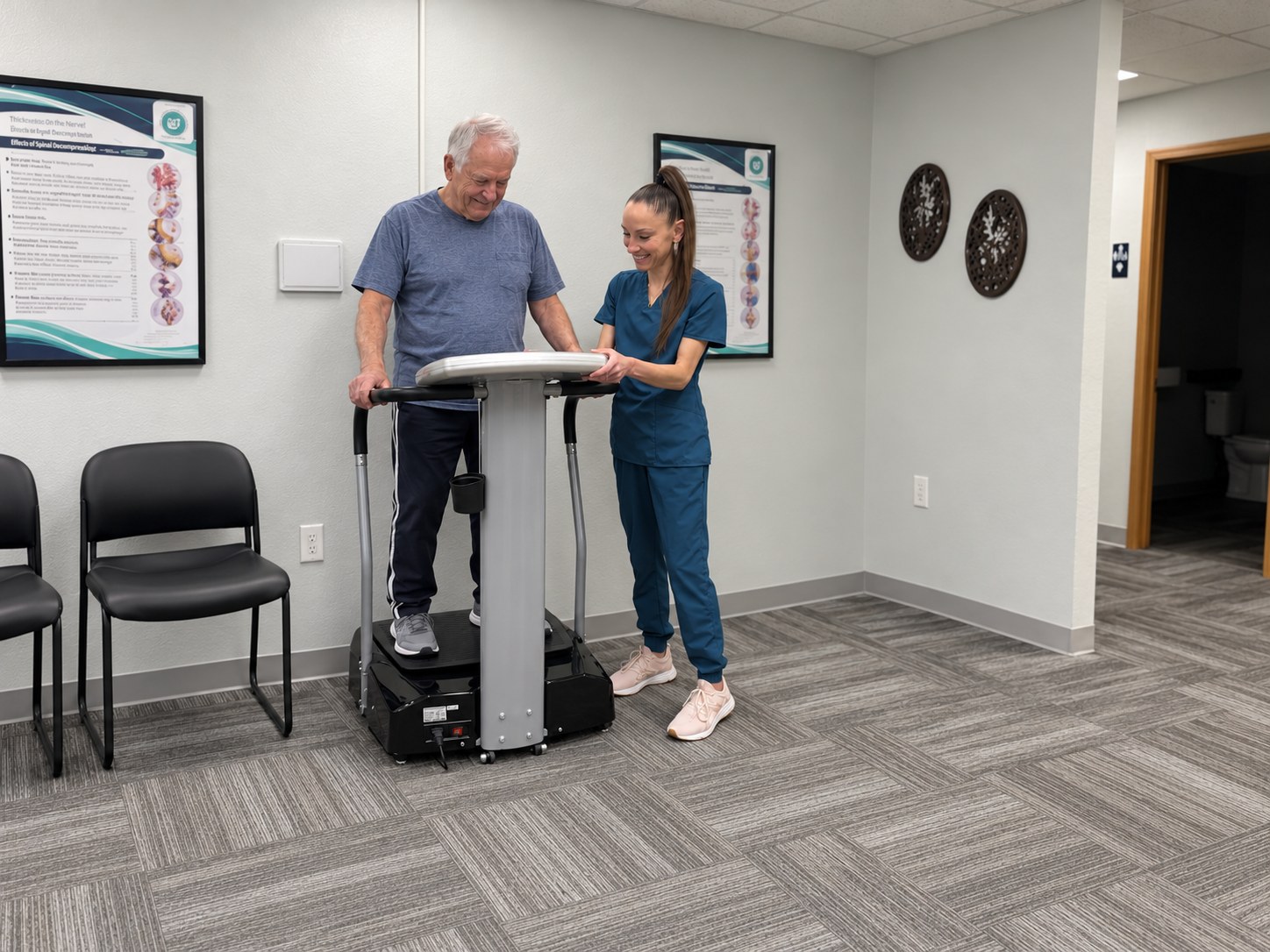
Simple home safety tips
- Use night-lights between the bed and bathroom
- Add a grab bar and non-slip mat in the shower
- Remove loose rugs and clutter from walkways
- Wear supportive shoes instead of slippers or socks
- Pause after standing up before you start walking
Our approach
The R.E.P.A.I.R. method for neuropathy
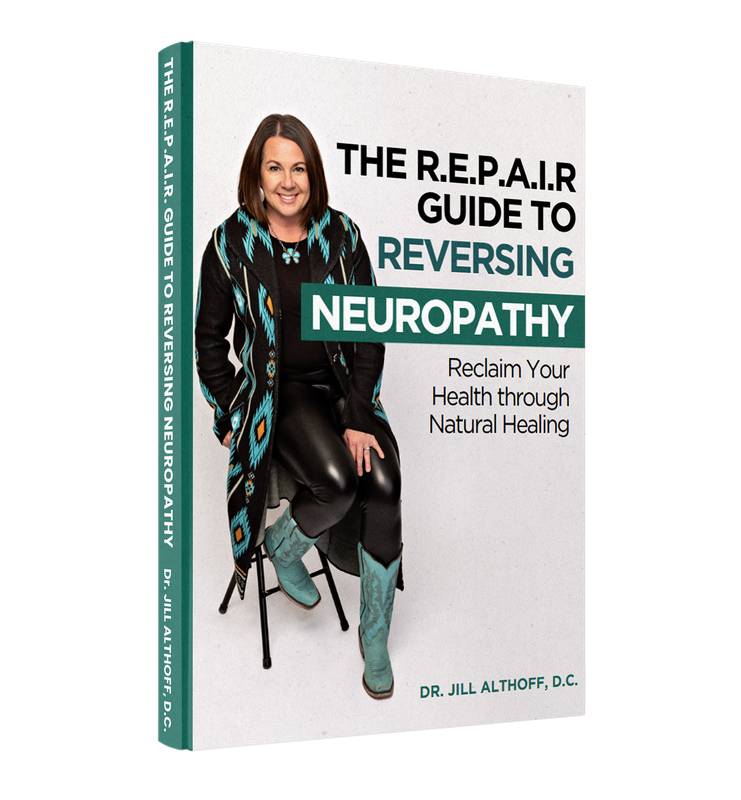
Dr. A developed the R.E.P.A.I.R. framework over nearly 24 years of caring for neuropathy patients and wrote about it in her book, The R.E.P.A.I.R Guide to Reversing Neuropathy. Every plan follows the same six steps, tailored to you.
R
Root cause discovery
A full consultation, health history, and exam with thermal imaging and balance testing to understand what is affecting your nerves.
E
Eliminate contributing factors
Address the things that keep stressing your nerves, such as blood sugar, inflammation, circulation, and nerve pressure from the spine.
P
Pain relief
Non-invasive in-clinic and at-home treatments to calm pain, numbness, and tingling so you can sleep and move again.
A
Activate healing
Nutritional changes to improve circulation, decrease inflammation, and help your body heal itself, plus therapies such as Class IV laser and SoftWave to support your body's natural repair.
I
Improve lifestyle
Balance training, plus simple daily habits that protect your nerves and your feet.
R
Retain results
Re-testing along the way and a long-term plan to help you keep the progress you have made.
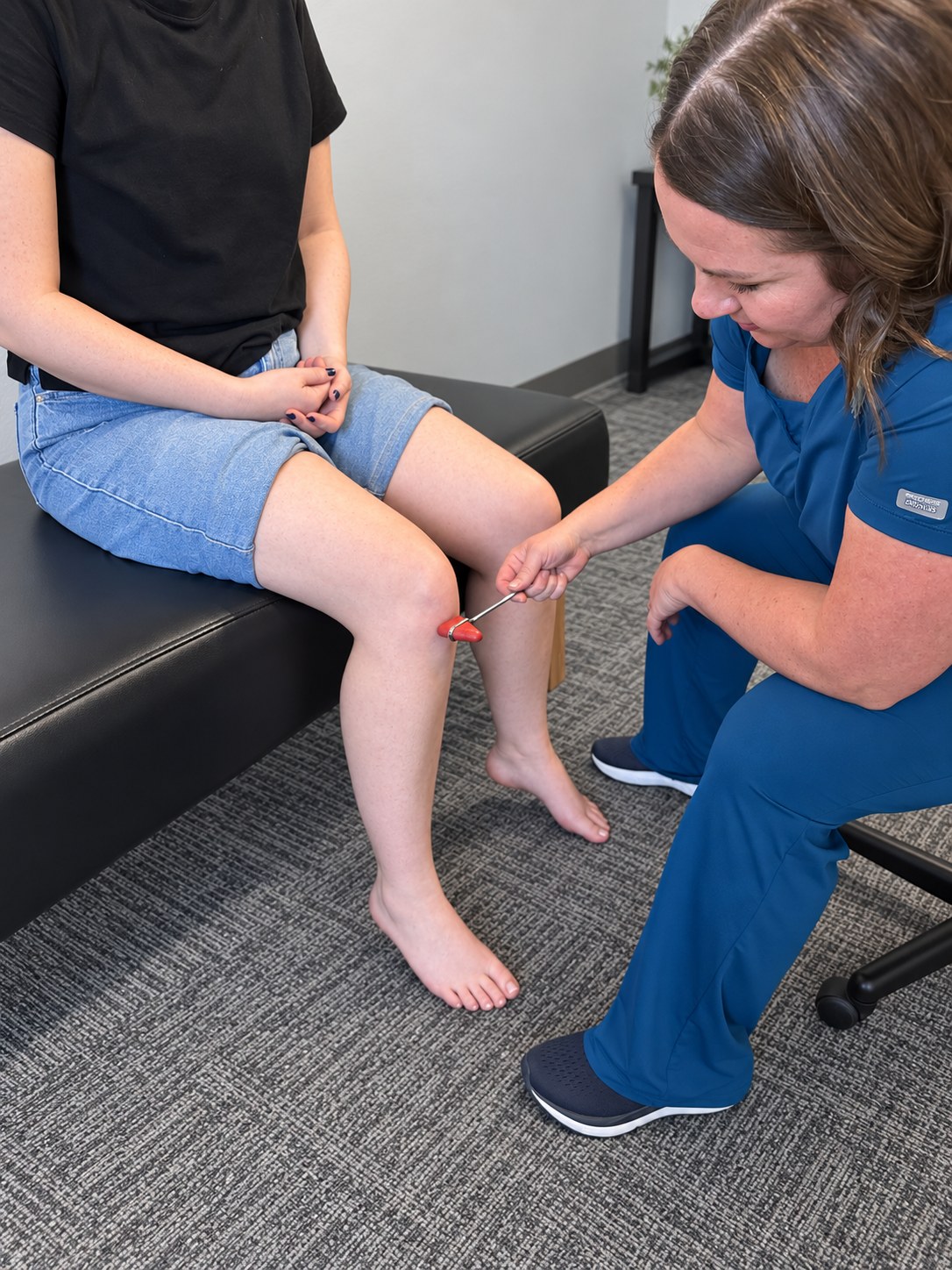
Your first visit
What happens at a neuropathy evaluation
Your first visit is about answers, not pressure. You will leave knowing more about what is going on with your nerves and whether our approach is a good fit.
- Consultation and health history. Your symptoms, how long you have had them, your health conditions, medications, and goals.
- Thermal imaging of your feet. A painless, no-contact scan that shows temperature patterns, which can reflect circulation and nerve function.
- Balance and sensory testing. Simple tests of balance, feeling, and reflexes so we have a starting point to measure progress.
- Your plan and next steps. Your doctor explains the findings in plain language and, if we can help, what a plan would look like.
$47 Neuropathy Screening
Consultation, thermal imaging scan, and balance testing
Treatment options
In-clinic and at-home neuropathy care
Every plan is built from your evaluation, so not every patient receives every option. Most care happens in our Cheyenne clinic, and many neuropathy patients also continue care at home between visits.
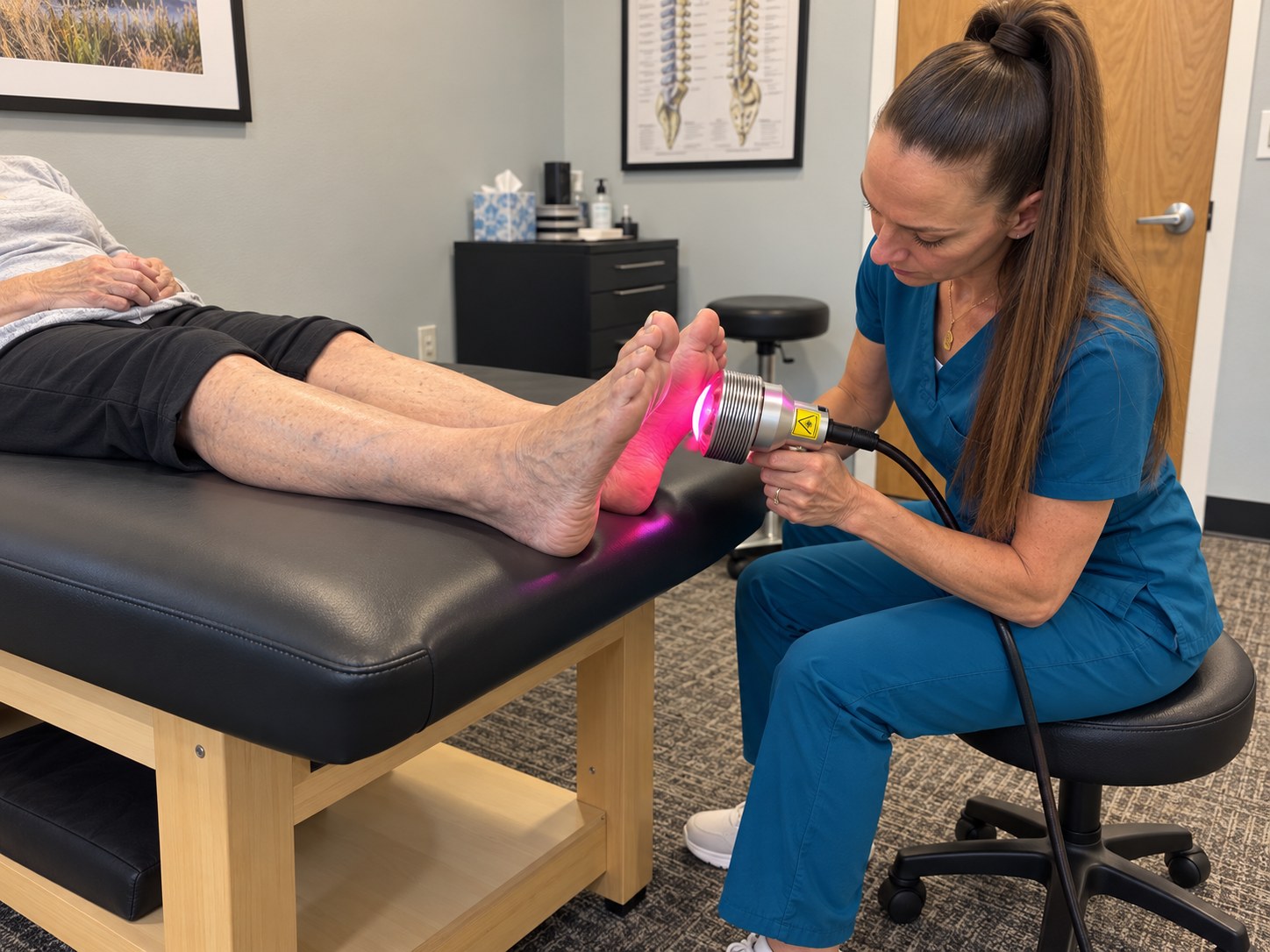
In our Cheyenne clinic
- Class IV laser therapy
- SoftWave (shockwave) therapy
- Nerve stimulation
- Balance training
- Whole-body vibration
- Spinal decompression when nerve pressure in the back or neck is a factor
- Nutritional changes to improve circulation, decrease inflammation, and help your body heal itself
At home, between visits
For neuropathy patients only, based on your evaluation:
- Home neurostimulator
- Class II laser
- Whole-body vibration
At-home care helps patients who live farther from Cheyenne keep progressing between clinic visits.
Is our neuropathy care right for you?
A good fit if you:
- Have numbness, tingling, burning, or balance problems in your feet or hands
- Have diabetic neuropathy, chemo-related neuropathy, or neuropathy with no known cause
- Were told to "learn to live with it" and want another option
- Want a drug-free, non-surgical approach that works alongside your medical care
See your medical doctor first if you have:
- An open sore, ulcer, or infection on your foot
- Sudden weakness or numbness, or symptoms on one side of your body
- Symptoms that are getting worse quickly
We are happy to coordinate with your physician once you have been seen.
Neuropathy patient stories
Real Cheyenne-area patients, in their own words
“I went to a concert and stood the whole time. I very much have my life back.”
Amy, neuropathy patient
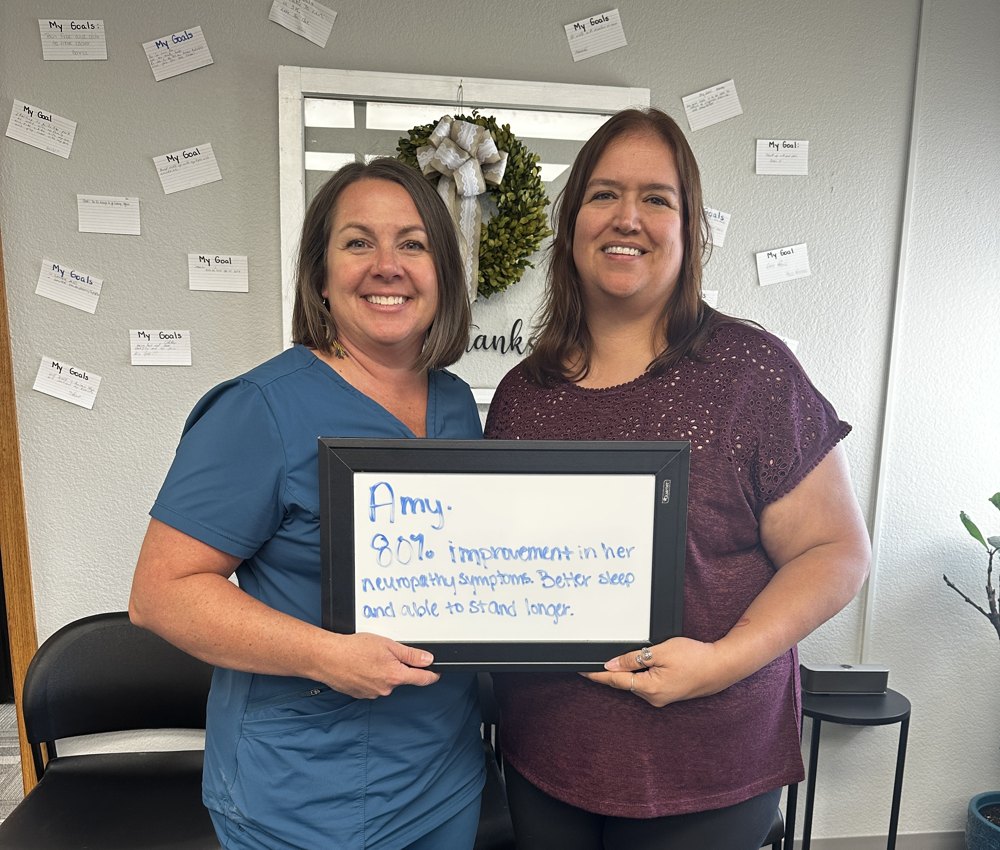
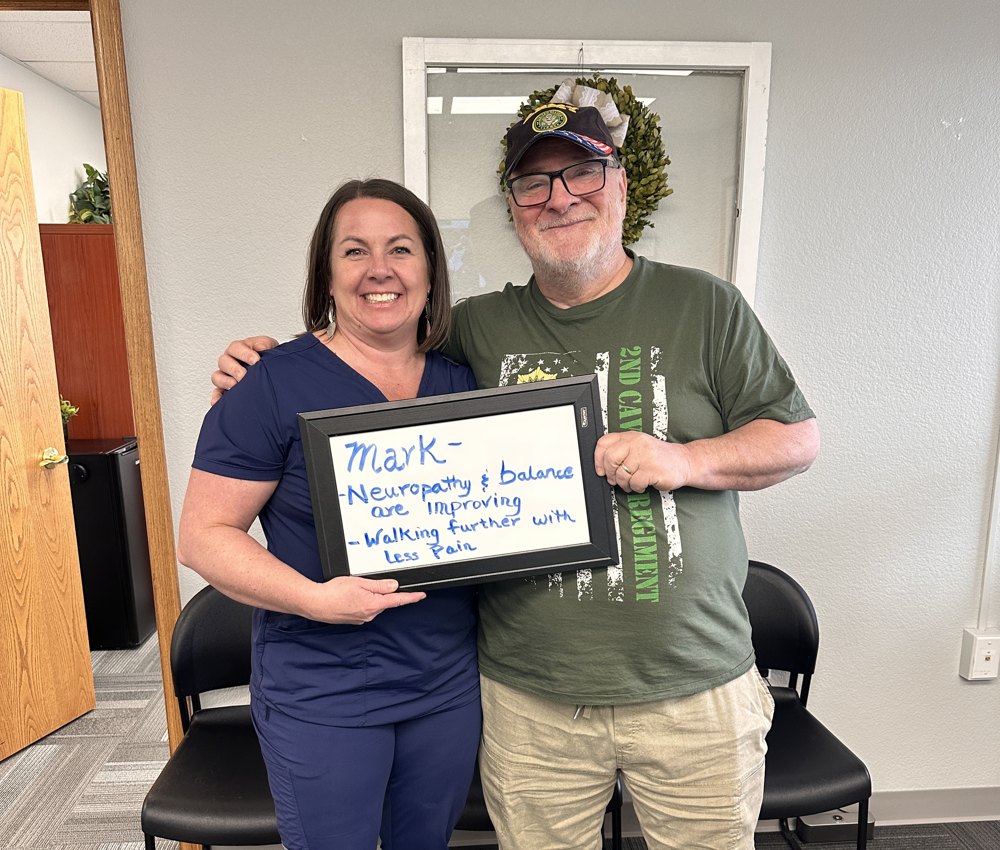
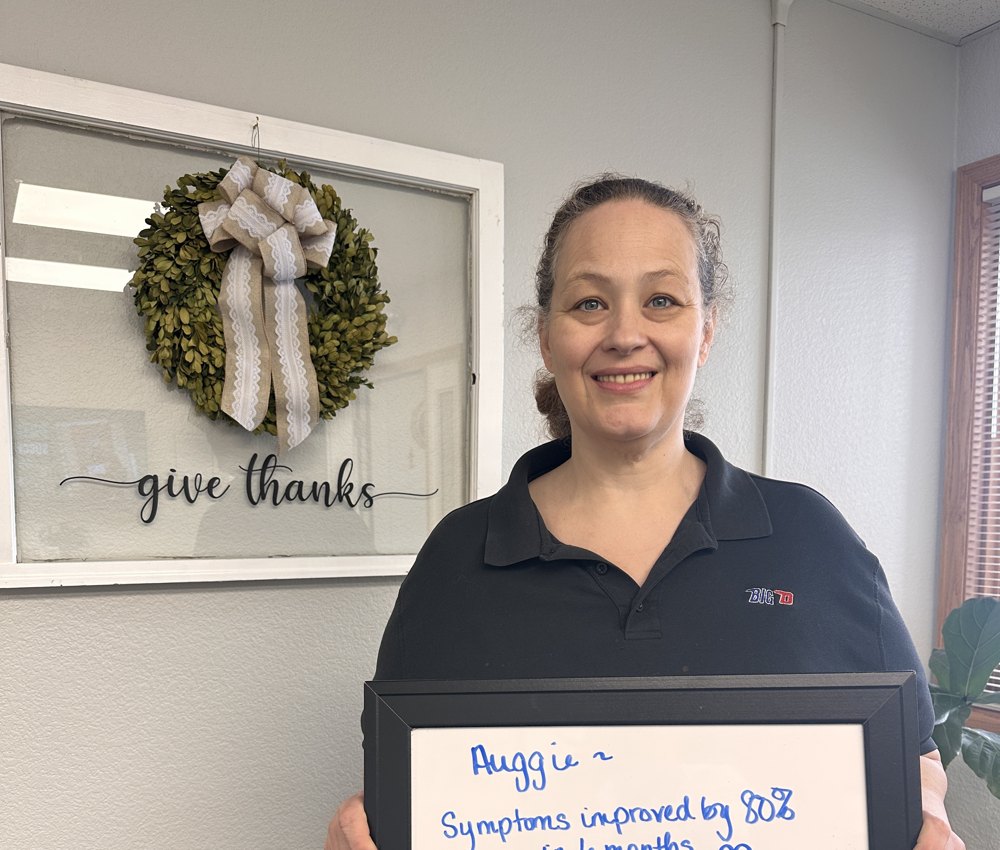
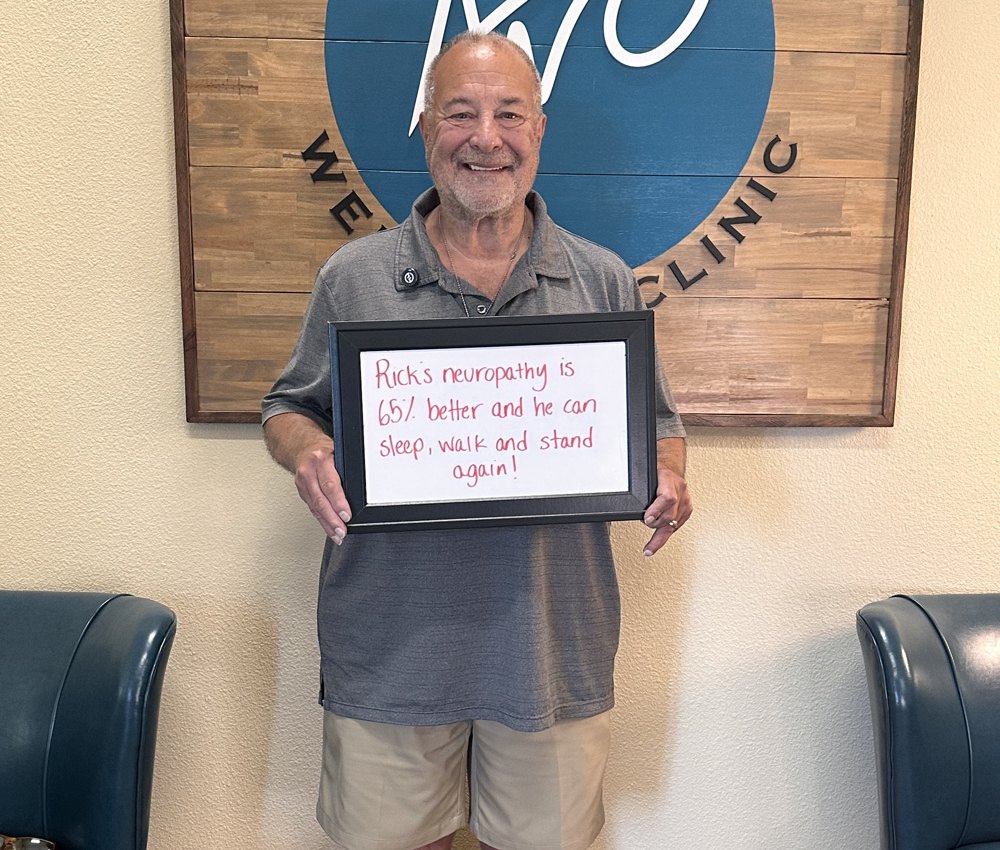
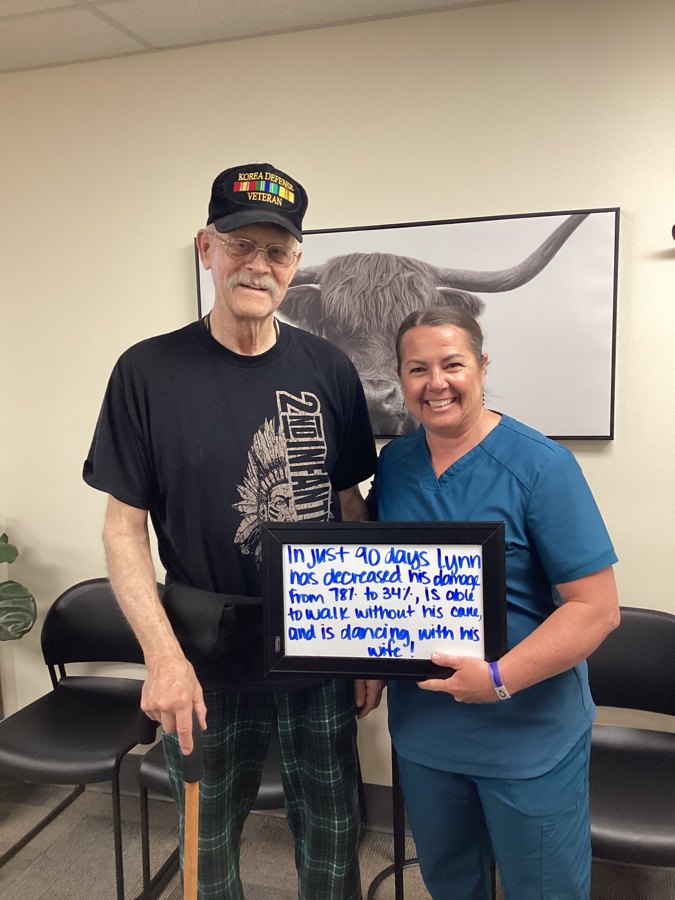
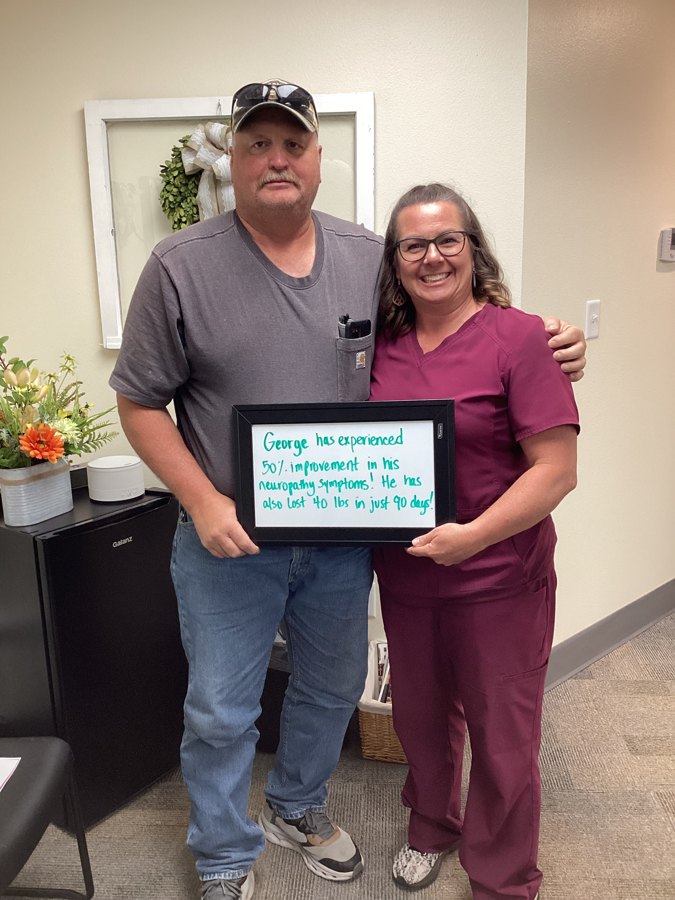
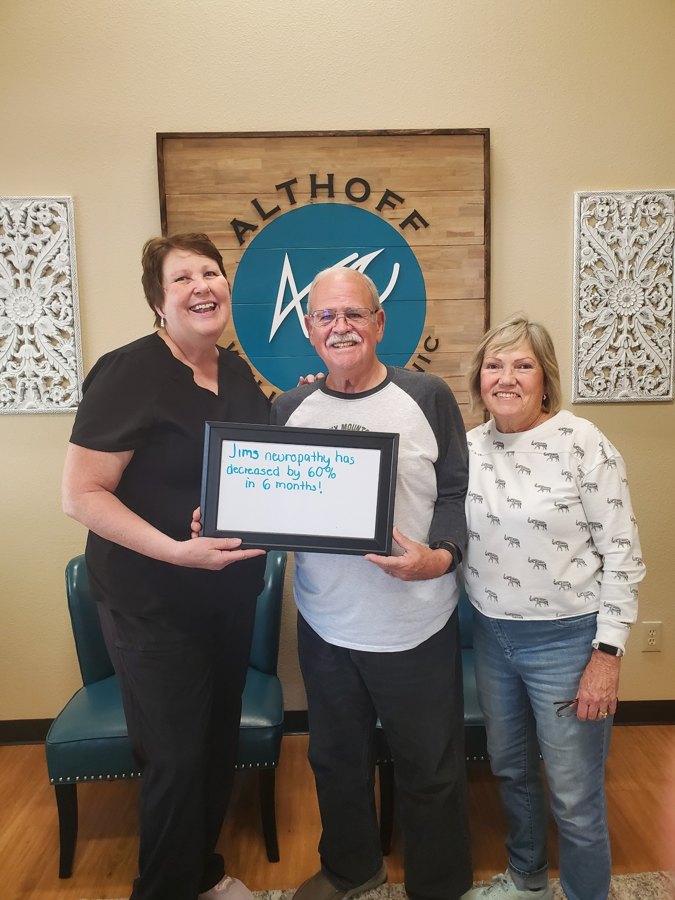
These are average results from our patients' files. Results vary per patient, and very few patients do not respond, because we only accept patients we believe we can help. Shared with permission; not a guarantee.
Free neuropathy webinar
Not ready for a visit? Start with the webinar.
Dr. A walks through what neuropathy is, why it happens, and how the R.E.P.A.I.R. method works. Watch the full webinar and you will receive a free digital copy of The R.E.P.A.I.R Guide to Reversing Neuropathy.
Watch the Free Webinar + Get the eBookYour neuropathy care team
Meet your doctors
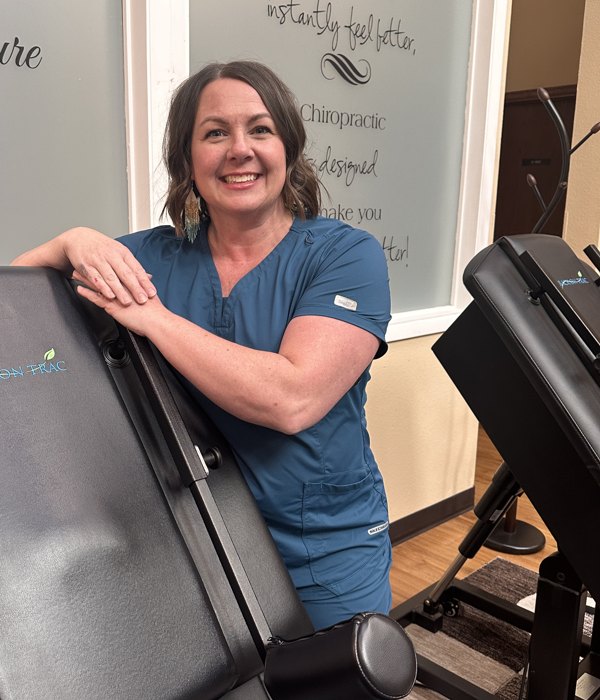
Dr. Jill Althoff, DC
Dr. A
Author of two neuropathy books, and creator of the R.E.P.A.I.R. method. In practice since 2003.
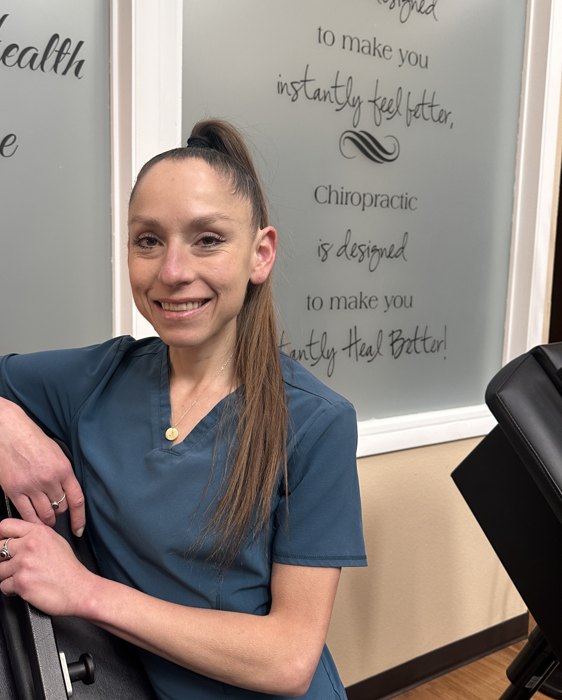
Dr. Jennifer Saboy, DC
Dr. J
7 years in practice, with a special love for nutrition. Working toward Diplomate status with the American Board of Chiropractic Internists.
Neuropathy questions
Frequently asked questions about neuropathy treatment in Cheyenne
Where can I get neuropathy treatment in Cheyenne, WY?
Althoff Wellness Clinic offers drug-free, non-surgical peripheral neuropathy care at 4024 Laramie St., Cheyenne, WY 82001, just off College Drive. Care is led by Dr. Jill Althoff, DC, together with Dr. Jennifer Saboy, DC. Call (307) 369-1786.
Can neuropathy symptoms improve?
For many people, yes. Peripheral nerves have some ability to recover when blood flow, oxygen, blood sugar, and nutrition improve. Many patients were told nothing could be done because those conditions were never addressed. How much improvement is possible depends on the cause and how long the nerves have been affected, and your evaluation helps us tell you honestly what is realistic.
My EMG was normal. Can I still have neuropathy?
Yes, it is possible. An EMG mainly measures how well your motor nerves and muscles are working. Peripheral neuropathy usually affects the sensory nerves first, and early or small fiber neuropathy often does not show up on standard EMG testing. Our evaluation looks at both your sensory and motor nervous systems.
Do you treat diabetic neuropathy?
Yes. Diabetes and blood sugar problems are among the most common causes of neuropathy we see. Care focuses on the factors that affect your nerves, including blood sugar habits, circulation, and nutrition, and works alongside the diabetes care you get from your medical provider.
Do you treat small fiber neuropathy?
Yes, we evaluate and care for patients with small fiber neuropathy. It affects the tiny nerve fibers that carry pain and temperature signals, so it often causes burning or prickling pain even when standard nerve tests come back normal. If you have been diagnosed, or suspect it, bring any test results to your first visit.
Can neuropathy cause balance problems?
Yes. Your body balances using three main centers: your feet, your eyes, and your inner ear. Neuropathy reduces the signals from your feet, so you lean more on your eyes, which is why balance gets worse in the dark or when you close your eyes in the shower. We test balance at your first visit and include balance training in many neuropathy care plans.
Do I have to stop my neuropathy medication?
No. Please keep taking your medications as prescribed. Our care works alongside your medical treatment. If your symptoms improve, any change to a medication is a decision for you and the provider who prescribed it.
What is thermal imaging and why do you use it?
Thermal imaging is a painless, no-contact scan that shows temperature patterns in your feet. Temperature can reflect circulation and nerve function, so the images help us see what is happening and track changes over time. It is one part of your evaluation, along with your history and hands-on testing.
How long does neuropathy treatment take?
It varies. Many care plans are measured in months rather than weeks, because nerves change slowly. We re-test along the way so you can see your progress, and your doctor will give you a recommended timeline after your evaluation.
Does insurance cover neuropathy treatment?
Yes, we accept insurance. Some services are covered and some are not, depending on the root cause and your care plan. We will know after a thorough examination and will go over your options before you start.
I live outside Cheyenne. Can I still be a patient?
Yes. Many of our neuropathy patients drive in from within about two hours, including Laramie, Wheatland, Torrington, and Douglas in Wyoming; Scottsbluff, Gering, Sidney, and Kimball in Nebraska; and Fort Collins, Greeley, and Loveland in northern Colorado. At-home care options help you keep progressing between visits.
Ready to find out what is behind your neuropathy?
Schedule a neuropathy evaluation at our Cheyenne clinic. We will listen, test, and tell you honestly whether we can help. We only take on patients we believe we can help.
Prefer to talk to someone now?
Monday to Wednesday, 9 a.m. to 1 p.m. and 3 p.m. to 6 p.m. Thursday, 9 a.m. to noon and 3 p.m. to 6 p.m.